

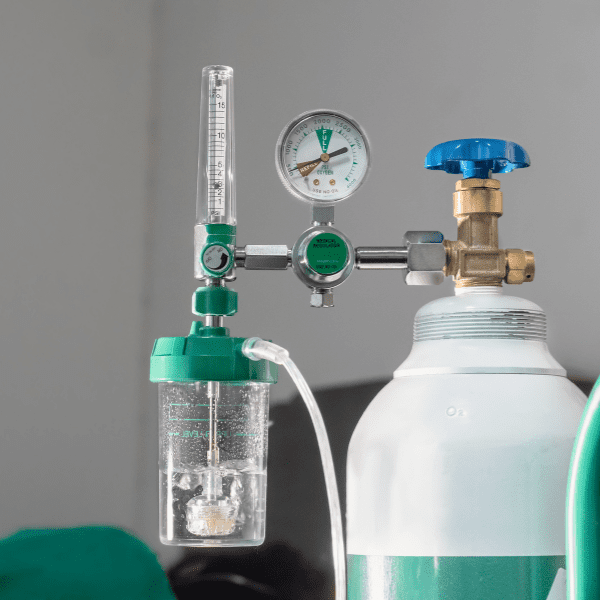
Oxygen Therapy Skilled Nursing
Oxygen Therapy and Respiratory Care in Skilled Nursing Facilities
Supplemental oxygen is one of the most commonly prescribed treatments for seniors in skilled nursing care. Whether your loved one has COPD, heart failure, pneumonia, or another condition that affects breathing, oxygen therapy plays a critical role in keeping them stable, comfortable, and functional.
But managing oxygen therapy safely is more complex than many families realize. It requires trained clinical staff, proper equipment, careful monitoring, and coordination with physicians. This guide explains how skilled nursing facilities like Alpine Fireside Health Center in Rockford provide comprehensive respiratory care — and what families should know before choosing a facility.
Respiratory Care Skilled Nursing Facility
Who Needs Oxygen Therapy in Skilled Nursing?
Oxygen therapy is prescribed when a patient's blood oxygen saturation (SpO2) consistently falls below safe levels — typically below 88–90% in seniors with chronic conditions. Common conditions that may require supplemental oxygen include:
- Chronic obstructive pulmonary disease (COPD)
- Congestive heart failure (CHF)
- Pneumonia or other respiratory infections
- Pulmonary fibrosis
- Post-surgical recovery affecting breathing
- Sleep apnea with significant desaturation
- Anemia causing reduced oxygen-carrying capacity
Skilled Nursing and COPD
Types of Oxygen Delivery Systems Used in Skilled Nursing
Nasal Cannula The most common delivery method — a lightweight tube with two small prongs that sit just inside the nostrils. Nasal cannula works well for low to moderate oxygen needs and allows residents to eat, talk, and move relatively freely.
Simple Face Mask Delivers higher concentrations of oxygen than nasal cannula. Used for residents who need more oxygen support, especially during acute episodes or recovery from respiratory illness.
Non-Rebreather Mask A high-flow delivery system used in more serious situations where a resident needs high-concentration oxygen quickly. Typically a short-term intervention while stabilizing a patient.
Oxygen Concentrators Concentrators pull oxygen from room air and deliver it continuously — eliminating the need for oxygen tanks. They are the standard long-term oxygen delivery system in most skilled nursing facilities and are highly reliable for residents who need continuous supplemental oxygen.
High-Flow Nasal Cannula (HFNC) A more advanced system that delivers heated, humidified oxygen at higher flow rates than standard nasal cannula. Used for residents with more significant oxygen needs who are not requiring mechanical ventilation.
Skilled Nursing Rockford IL
How Skilled Nursing Staff Manage Oxygen Therapy
Continuous Pulse Oximetry Monitoring
Nursing staff use pulse oximeters to measure blood oxygen saturation regularly — often multiple times per day or continuously for unstable patients. This non-invasive measurement catches drops in oxygen levels before they become dangerous.
Staff are trained to act on low readings by adjusting oxygen flow rates within physician-specified parameters, notifying the attending physician, or initiating emergency protocols if readings are critically low.
Following Physician Orders Precisely
Oxygen is a medication. It must be prescribed by a physician who specifies the flow rate (liters per minute), delivery method, and whether it should be used continuously, at rest, during activity, or during sleep.
For patients with COPD, this is especially critical: excessive oxygen can actually suppress the breathing drive in some patients, leading to carbon dioxide retention. Skilled nursing staff follow physician orders carefully and document oxygen use accurately.
Respiratory Therapy TreatmentsBeyond oxygen delivery, many residents require active respiratory treatments to keep airways clear and prevent infections. These include:
- Nebulizer treatments — delivering bronchodilator medications directly to the airways as a fine mist
- Metered-dose inhalers (MDI) — portable inhalers for bronchodilators and corticosteroids
- Chest physiotherapy — manual techniques to loosen and clear mucus
- Incentive spirometry — breathing exercises that expand lung capacity and prevent atelectasis
- Suctioning — removing secretions from the airway in patients who cannot cough effectively
Oxygen concentrators and related equipment require regular maintenance checks to ensure they are functioning properly. In a skilled nursing facility, equipment is managed by the facility — families do not need to worry about maintenance, filter changes, or malfunctions.
Skilled nursing facilities also maintain strict safety protocols around oxygen use, including no-smoking policies, proper storage of oxygen tanks, and fire safety procedures.
Respiratory Care Rockford, IL
Respiratory Care and Quality of Life
Effective respiratory care is not just about keeping oxygen levels adequate — it is about quality of life. When breathing is labored, everything suffers: appetite, sleep, mood, mobility, and the ability to engage with family and activities.
At Alpine Fireside, our care team works to help each resident breathe as comfortably as possible so they can participate in the life of our community — enjoying meals with neighbors, engaging in activities, and spending meaningful time with family.
We coordinate closely with each resident's attending physician and any specialists, such as pulmonologists or cardiologists, to ensure respiratory care is integrated into the overall care plan.
Respiratory Care Alpine Fireside
What to Ask When Evaluating a Skilled Nursing Facility for Respiratory Care
- Do you have respiratory therapists on staff or through a contracted provider?
- How often are oxygen-dependent residents monitored?
- What oxygen delivery systems do you support?
- How do you handle a sudden drop in oxygen saturation or a respiratory emergency?
- Can you manage high-flow oxygen systems or more advanced respiratory support?
- How do you communicate respiratory status changes to attending physicians and families?
Alpine Fireside Health Center
Respiratory Care at Alpine Fireside Health Center
Alpine Fireside Health Center in Rockford, Illinois is equipped to care for residents who require supplemental oxygen and respiratory support. Our nursing team is experienced in managing oxygen therapy for residents with COPD, heart failure, and other respiratory conditions — monitoring vital signs, coordinating with physicians, and responding quickly to changes in status.
We understand that respiratory conditions can be frightening and unpredictable. Our goal is to provide the close, attentive care that gives families peace of mind and residents the best chance at stability and comfort.