
Winter Safety for Seniors: Preventing Falls During Illinois Winters
Published: February 10, 2026
Location: Rockford, IL
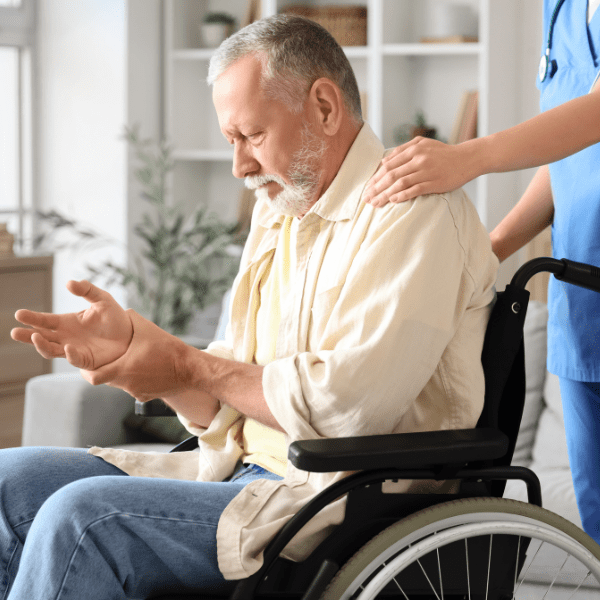
February in Rockford brings beautiful snow-covered landscapes—and serious safety concerns for older adults.
February in Rockford, Illinois brings beautiful snow-covered landscapes—and serious safety concerns for older adults. Winter weather creates a perfect storm of fall risks: icy sidewalks, slippery parking lots, bulky winter clothing, and cold temperatures that stiffen joints.
According to the CDC, one in four Americans aged 65 and older falls each year, and winter weather significantly increases that risk. Falls are the leading cause of injury-related deaths among seniors.
Understanding Why Winter Is So Dangerous for Seniors
Physical Changes with Aging
- Balance Changes: Declining vision, inner ear function, muscle strength, and joint flexibility
- Slower Reflexes: Harder to catch yourself when slipping
- Reduced Vision: Need more light, difficulty with glare from snow
- Medication Effects: Blood pressure drugs, anxiety medications can cause dizziness
- Chronic Conditions: Arthritis, Parkinson’s, neuropathy all increase risk
Environmental Hazards
- Black Ice: Nearly invisible, especially in shaded areas
- Packed Snow: Becomes compacted and icy
- Poor Visibility: Shorter days mean more time in darkness
- Uneven Surfaces: Ice formations hide curbs and steps
Outdoor Winter Safety: Preventing Falls on Ice and Snow
Proper Footwear—Your First Line of Defense
What to Look For:
- Deep rubber treads with multi-directional patterns
- Low or flat heels
- Snug fit (not loose)
- Insulated and waterproof construction
Safe Walking Techniques on Ice and Snow
The Penguin Walk: Take short, shuffling steps with weight centered over your feet. Slow down, stay focused, keep arms free for balance. Watch for Ice in: Bridges, overpasses, shaded areas, entryways where ice accumulates.Getting In and Out of Vehicles Safely
- Park in well-lit, cleared areas
- Use three-point exit: both feet out first, then stand holding door frame
- Have someone clear ice around car door
- Keep sand or cat litter in car for icy spots
Home Entrances and Walkways
- Keep walkways cleared and salted
- Ensure outdoor lighting is adequate
- Install handrails on outdoor steps
- Consider hiring snow removal service
When to Stay Home
Avoid Outdoor Activities When:
- Roads and sidewalks are icy
- Visibility is poor
- Wind chill creates dangerous cold
- You’re feeling dizzy or unsteady
Indoor Winter Safety
Wet Floors from Snow and Ice
- Place absorbent mats at all entrances
- Remove boots immediately upon entering
- Wear shoes with good traction indoors
- Mark wet areas clearly
Cold-Related Health Risks
- Keep home temperature at least 68°F
- Warm up with gentle stretching
- Dress in layers
Hypothermia and Frostbite Risks
Hypothermia Warning Signs
Seniors can develop hypothermia at higher temperatures than younger adults:- Shivering (though seniors may not shiver)
- Confusion or slurred speech
- Sleepiness or lack of energy
- Fumbling hands
Frostbite Prevention
- Limit outdoor time in extreme cold
- Dress in layers
- Wear insulated gloves and warm hat
- Cover all exposed skin
- Watch for numbness or white/grayish skin
Medications That Increase Winter Fall Risk
Certain medications make winter falls more likely:- Blood Pressure Medications: Can cause dizziness
- Sedatives and Sleep Aids: Cause drowsiness and slower reflexes
- Anti-Anxiety Medications: May affect balance
- Blood Thinners: Make injuries from falls more serious
Emergency Preparedness for Winter
Essential Supplies
- 7-day supply of medications
- Non-perishable food and water
- Flashlights and batteries
- Battery-powered radio
- Extra blankets and warm clothing
- First aid kit
Medical Alert Systems
For seniors living alone, a medical alert system is essential in winter. Falls on ice often happen when alone, and hypothermia can cause confusion.Winter Safety at Alpine Fireside Health Center
For families concerned about winter safety, our facility provides:- Professional snow and ice removal
- Heated walkways near entrances
- Well-lit parking and walkways
- Non-slip flooring throughout
- Temperature-controlled environment
- 24/7 supervision
Respite Care During Winter Months
Short-term respite stays provide safe environment during worst weather, eliminating outdoor hazards while providing three meals daily, medication management, and social activities.Frequently Asked Questions
Q: What’s the best type of cane or walker to use on ice?
A: Standard canes and walkers can be very dangerous on ice. Consider an ice pick cane with retractable metal tip or add ice grips to walker legs. Better yet, use a wheelchair on very icy days or avoid going out.
Q: Is it safe for seniors to shovel snow?
A: No. Snow shoveling is extremely strenuous and causes many heart attacks in older adults. The combination of cold air, heavy lifting, and overexertion is dangerous. Hire a service or ask family for help.
Q: What temperature is too cold for seniors to go outside?
A: Below 32°F with wind requires extra caution. Wind chill below 0°F means limit outdoor time to essentials. Wind chill below -15°F suggests avoiding going out if possible. Always dress in layers and cover exposed skin.
Q: What if my parent falls on ice?
A: Call 911 immediately. Don’t try to move them unless they’re in immediate danger. Cover with a blanket to prevent hypothermia while waiting for help. Even if they seem fine, falls on ice often cause serious injuries like hip fractures.
Winter Safety Solutions
Don’t let winter worry keep you up at night. Contact Alpine Fireside to discuss respite care, long-term care, or safety assessments. Call (815) 877-7408
Alpine Fireside Health Center
3650 North Alpine Rd, Rockford, IL 61114
Email: admission@alpinefireside.com
Serving Rockford, Belvidere, Loves Park, Machesney Park, and Roscoe