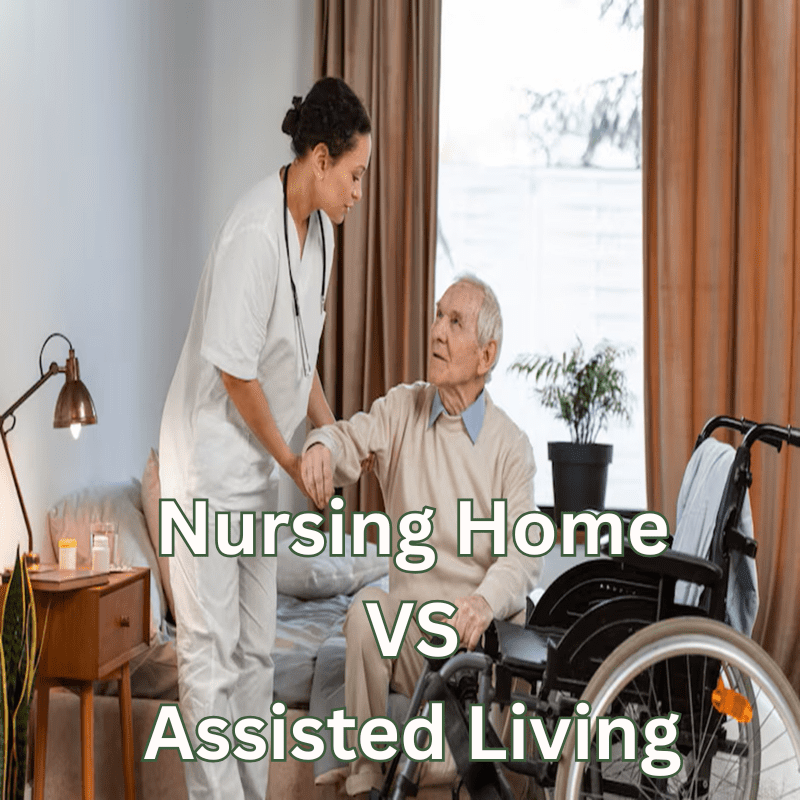
skilled nursing vs assisted living
Skilled Nursing vs. Assisted Living in Illinois: What's the Difference and Which Is Right for Your Loved One?
When families start researching care options for an aging parent, two terms come up again and again: skilled nursing facility and assisted living. They both provide housing and support for seniors, but they are very different in terms of the level of care, medical oversight, and cost — and choosing the wrong one can create problems down the road.
This guide breaks down exactly what distinguishes skilled nursing from assisted living in Illinois, so you can make an informed decision for your loved one.
What Is a Skilled Nursing Facility?
A skilled nursing facility (SNF) — also called a nursing home — provides the highest level of residential care for seniors outside of a hospital. Skilled nursing facilities are staffed 24 hours a day by licensed nurses (RNs and LPNs) and provide:
- Around-the-clock medical monitoring and nursing care
- Skilled rehabilitative therapies — physical, occupational, and speech therapy
- Complex medication management and IV therapy
- Wound care and post-surgical care
- Care for chronic conditions such as COPD, Parkinson’s disease, advanced dementia, and diabetes
Skilled nursing facilities are licensed and regulated by both the state and federal government, and those that are Medicare and Medicaid certified are subject to rigorous ongoing inspections and quality standards.
What Is Assisted Living?
Assisted living is a residential care option for seniors who need some help with daily activities but do not require the level of medical oversight provided in a skilled nursing facility. Assisted living communities typically offer:
- Private or semi-private apartment-style living
- Help with bathing, dressing, grooming, and other personal care tasks
- Meal service, housekeeping, and laundry
- Medication reminders (not administration, in most cases)
- Social activities and transportation
Assisted living provides more independence than a nursing home, but significantly less clinical care. Staffing ratios are lower, and nursing staff may not be present 24 hours a day in all facilities.
Key Differences at a Glance
Level of Medical Care
This is the most important distinction. Skilled nursing facilities provide continuous medical care from licensed nurses and therapists. Assisted living provides personal care assistance, not skilled medical care. If your loved one has complex medical needs — multiple chronic conditions, post-surgical recovery needs, dementia requiring intensive supervision — a skilled nursing facility is typically the appropriate choice.
Staffing
Skilled nursing facilities have licensed nurses on duty 24 hours a day, 7 days a week. Assisted living communities may have less medical staffing, particularly overnight.
Therapy Services
Skilled nursing facilities offer physical therapy, occupational therapy, and speech therapy — either as part of a short-term rehab stay or as part of ongoing care. Assisted living communities may offer some wellness activities, but do not typically provide clinical therapy services.
Memory Care
Both facility types can offer memory care, but the security, supervision, and staff training in a skilled nursing environment are generally more intensive. For individuals with moderate to advanced dementia, a skilled nursing facility is often the safer choice.
Cost
Assisted living in Illinois averages approximately $5,225 per month, while skilled nursing averages $6,266 to $8,669 per month depending on room type and location. The cost difference reflects the higher level of clinical care and staffing in a skilled nursing setting.
Insurance and Medicaid
Medicare covers short-term skilled nursing care after a qualifying hospital stay — it does not cover assisted living at all. Illinois Medicaid covers long-term care in Medicaid-certified nursing homes; Medicaid coverage for assisted living is more limited and varies by program. Long-term care insurance typically covers both settings, depending on the policy.
How to Know Which Option Is Right
The right choice depends on your loved one’s specific medical and personal care needs. Here’s a simple framework:
Assisted living may be appropriate if your loved one is largely independent but needs some help with daily activities, has relatively stable medical conditions, can manage medications with reminders, and benefits from a social, community-oriented environment.
Skilled nursing care may be appropriate if your loved one requires 24-hour nursing supervision, complex medication management, skilled therapy services, post-surgical or post-hospital recovery support, or intensive dementia care.
When in doubt, consult with your loved one’s physician and ask for a formal care assessment. The recommendation of a physician or hospital social worker carries significant weight — and most hospital discharge planners will help you navigate the options.
Skilled Nursing Care at Alpine Fireside Health Center in Rockford
At Alpine Fireside Health Center, we offer skilled nursing, long-term intermediate care, dementia care, and respite care for Rockford, IL families. Our family-owned, 5-star rated facility has been a trusted resource in Winnebago County since 1973, and our team is experienced in helping families determine whether skilled nursing is the right fit for their loved one.
We’re always happy to answer questions and walk you through the differences between care options — no pressure, just honest guidance.
For over 50 years, Alpine Fireside has built an outstanding reputation for quality care. We understand that access to continuing care is crucial for many, and we are well-equipped to meet the evolving needs of our residents.
- Over 50 Years of Excellence
- Comprehensive Care Services
- Personalized Care Plans
- Caring and Dedicated Staff
- Welcoming and Secure Environment