Diabetes Management
Diabetes Management for Seniors in Skilled Nursing Care
Diabetes is one of the most common chronic conditions among nursing home residents — affecting an estimated 25–34% of all skilled nursing facility residents. For older adults, managing diabetes safely is more complex than it is for younger patients, and the risks of both high and low blood sugar are more serious.
At Alpine Fireside Health Center in Rockford, Illinois, our clinical team provides comprehensive diabetes management that goes well beyond simple blood sugar checks. This guide explains what skilled diabetes care looks like in a nursing home setting and why it makes a critical difference in resident health and outcomes.
Senior Care and Diabetes
Why Diabetes Management Is Different for Older Adults
Diabetes management in elderly patients presents unique challenges that require specialized clinical judgment:
- Hypoglycemia (low blood sugar) is more dangerous and more common in older adults — symptoms like shakiness and confusion can be mistaken for other conditions, and the risk of falls and serious injury is high
- Many seniors have multiple chronic conditions and complex medication regimens that interact with diabetes treatment
- Kidney function often declines with age, affecting how diabetes medications are metabolized
- Cognitive impairment may prevent self-monitoring or self-care
- Poor circulation and neuropathy (nerve damage) increase the risk of foot wounds that can become serious infections
- Nutritional challenges — reduced appetite, swallowing difficulties, or dietary restrictions — complicate blood sugar control
Because of these factors, diabetes management goals for elderly residents are often less aggressive than for younger patients. The priority is safety — preventing dangerous lows and avoiding complications — rather than achieving optimal glucose targets at all costs.
Diabetes and Skilled Nursing
Key Components of Diabetes Management in Skilled Nursing
Blood Glucose Monitoring
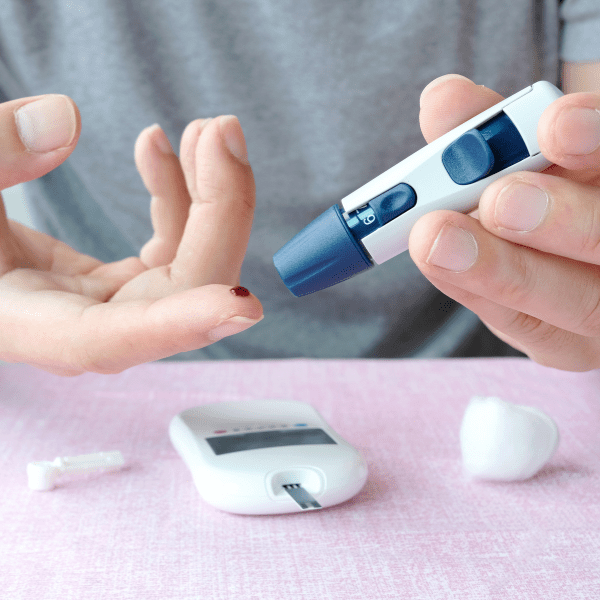
Regular blood glucose testing is the foundation of diabetes management. Skilled nursing staff check residents' blood sugar at scheduled times — typically before meals and at bedtime — and more frequently if a resident is unstable, ill, or receiving IV nutrition.
Monitoring results are logged in the electronic health record, tracked for trends, and shared with the attending physician. Consistent data over time helps clinicians make informed decisions about medication adjustments.
Insulin Administration and Oral Medication Management
Many elderly residents with diabetes require insulin injections — and administering insulin safely requires clinical precision. The correct type of insulin, the correct dose, the correct time, and the correct injection technique all matter. Errors can cause dangerous hypoglycemia or prolonged hyperglycemia.
Skilled nursing staff are trained in insulin administration for all types — rapid-acting, long-acting, and mixed insulins — as well as sliding scale protocols that adjust doses based on current glucose readings.
Oral diabetes medications are also carefully managed, with attention to kidney function, meal timing, and potential interactions with other medications.
Hypoglycemia Recognition and Response
Low blood sugar is a medical emergency in frail elderly patients. Nursing staff are trained to recognize hypoglycemia symptoms — including shakiness, sweating, confusion, irritability, and loss of consciousness — and respond immediately with appropriate treatment, whether oral glucose, juice, glucose gel, or IV dextrose in severe cases.
Recurrent hypoglycemia episodes prompt a medication review and care plan adjustment to identify and eliminate the cause.
Diabetic Foot Care
Peripheral neuropathy — nerve damage caused by diabetes — reduces sensation in the feet, meaning wounds or pressure injuries can develop without the resident feeling any pain. Poor circulation slows healing and increases infection risk dramatically.
Skilled nursing facilities provide regular foot assessments, proper nail and skin care, and appropriate footwear. Any wound, blister, or skin breakdown on the feet is treated immediately and monitored closely, with wound care specialists involved when needed.
Preventing diabetic foot complications is far easier and safer than treating them — and skilled nursing is the ideal setting for this level of preventive care.
Nutrition and Meal Planning
Diet is one of the most powerful tools in diabetes management. Skilled nursing dietitians develop individualized meal plans for diabetic residents that balance blood sugar control with adequate nutrition and resident preferences.
Carbohydrate consistency — eating similar amounts of carbohydrate at each meal — is a key strategy for avoiding blood sugar swings. Dietitians work with kitchen staff to ensure diabetic meal plans are accurately prepared and served, and they monitor residents' nutritional intake and weight over time.
For residents with additional dietary restrictions — low sodium, texture modifications, renal diet — the dietitian coordinates all requirements into a single, workable meal plan.
Exercise and Physical Activity
Physical activity improves insulin sensitivity and blood sugar control, even in frail elderly patients. Physical and occupational therapists at Alpine Fireside incorporate appropriate movement into residents' daily routines, whether through structured therapy sessions, supervised ambulation, or seated exercise programs.
Even small increases in daily movement can have meaningful impacts on blood sugar management for residents with diabetes.
Complication Monitoring
Diabetes increases the risk of multiple serious complications that skilled nursing staff actively monitor for, including:
- Kidney disease — tracked through laboratory values including BUN, creatinine, and estimated GFR
- Eye health changes — communicated with the attending physician for ophthalmology referral as needed
- Cardiovascular risk — blood pressure monitoring, weight tracking, and lipid management
- Skin integrity — regular skin assessments to catch pressure injuries before they develop into serious wounds
- Infection risk — prompt treatment of any wound, UTI, or respiratory infection that could destabilize blood sugar control
Diabetes Care Team at Alpine Fireside
Coordinating with the Diabetes Care Team
At Alpine Fireside, our nurses and dietitians work in close coordination with each resident's attending physician and any endocrinology specialists involved in their care. We provide regular updates on glucose trends, communicate immediately about concerning readings or hypoglycemia episodes, and participate in care conferences to adjust treatment plans as residents' conditions evolve.
Family members are kept informed and are encouraged to share observations about their loved one's appetite, activity level, or symptoms that might affect diabetes management.
Diabetes Care Team at Alpine Fireside
Diabetes and Skilled Nursing at Alpine Fireside Health Center
Managing diabetes in an elderly resident requires vigilance, clinical skill, and a team-based approach. At Alpine Fireside Health Center in Rockford, our nursing and dietary teams bring all of these to every resident's care plan.
Whether your loved one is recovering from a diabetes-related hospitalization, needs help managing a complex medication regimen, or requires wound care for a diabetic foot injury, our team is experienced and ready to help.